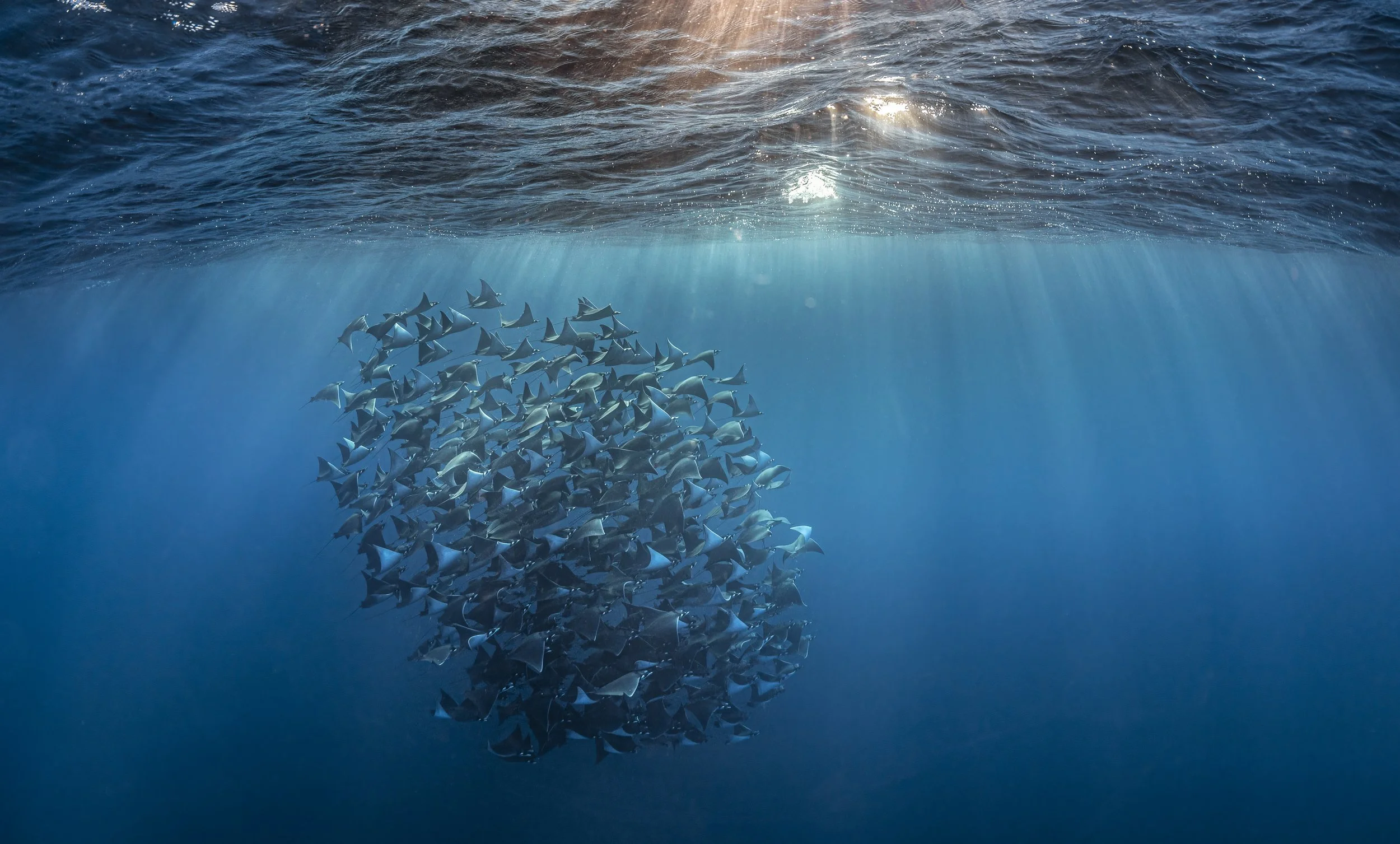
"If you think you are too small to make a difference, you haven't spent the night with a mosquito." ~African proverb
Larsvon Ritter Zahony / Ocean Image Bank
Bill Brick
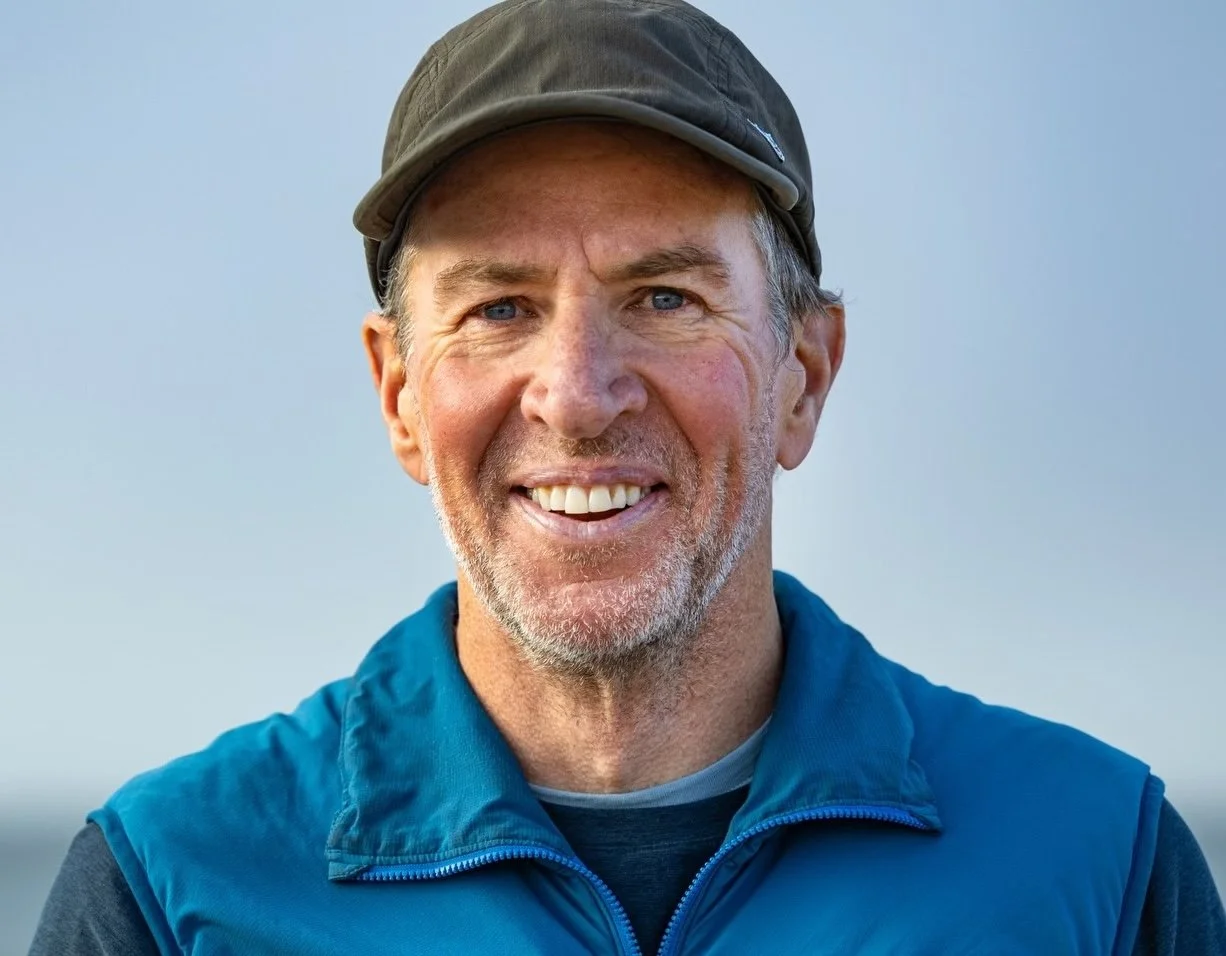
Bill works in marine carbon dioxide removal and nature-based restoration. He operates at the nexus of marine science and technology, ocean conservation, and natural capital finance to advance solutions that improve ocean health, restore climate balance, protect marine ecosystems and build a sustainable blue economy—including efforts to quantify the value of ecosystems as a lever to motivate conservation and regenerative priorities. He is currently investigating ocean fertilization as a potential strategy to enhance CO2 uptake by marine microalgae.
His field experience includes taxonomical cataloging of phytoplankton with quantitative imaging; marine biodiversity assessment using shallow and deepwater eDNA samples; linking species-level plankton data with hyperspectral measurements of ocean color from satellite images; documenting abnormal shark behavior that contributed to the permanent closure of shark tourism in Mexico; studying the impacts of black carbon deposition on the albedo effect of the Southern Patagonian Ice Cap; and restoring endangered yellow-legged frogs in alpine lakes. He is currently establishing a community-based ocean health monitoring station on San Francisco Bay to collect phytoplankton, eDNA, and CTD samples from human-powered watercraft in collaboration with partner stakeholders.
Bill’s interests span ocean exploration, marine conservation, participatory science, expeditionary travel (land and sea), and scientific diving. He is a longtime volunteer with several prominent ocean conservation organizations, including The Marine Mammal Center, the International Ocean Film Festival, the Earth Island Institute, and NOAA’s longterm shoreline monitoring program, Beach Watch. He is a Certified Master Naturalist from the University of California and a member of the Scientific Exploration Society and The Explorers Club.