Recent Projects and Expeditions
“Somewhere, something incredible is waiting to be known.” ~Carl Sagan
Tracking Invisible Aquatic Life in Costa Rica from Space
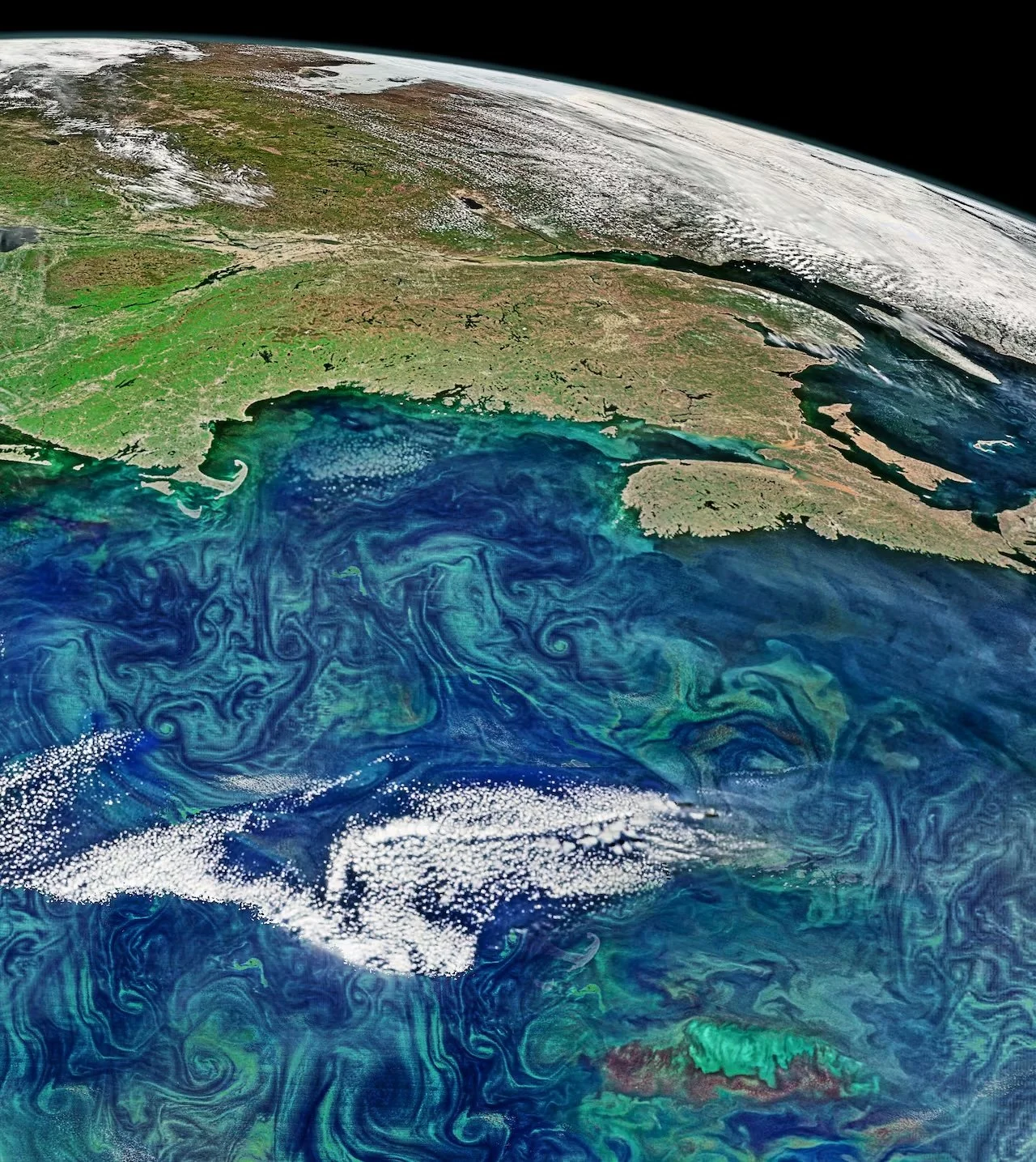
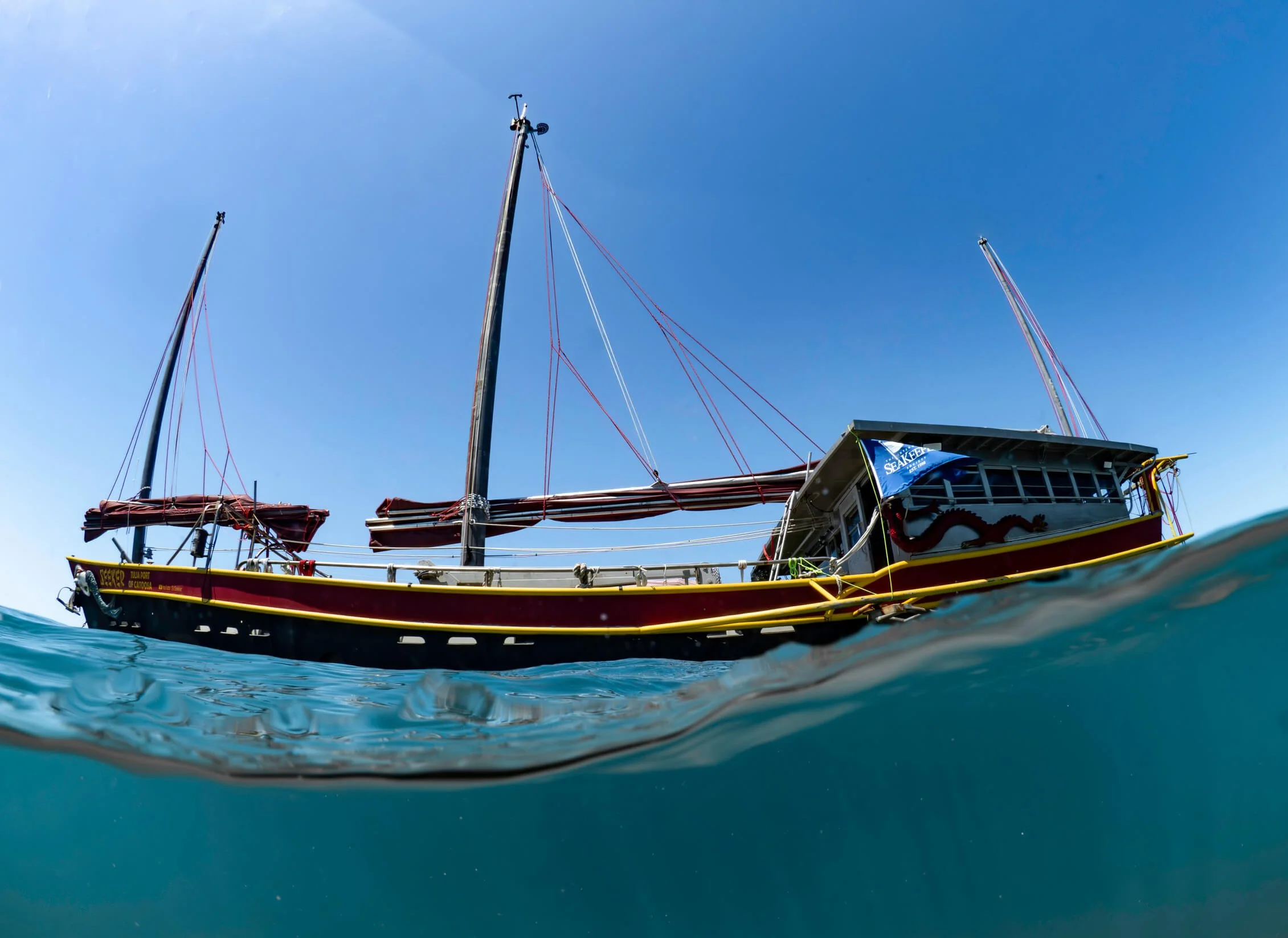
PlanktoSpace is a collaborative scientific initiative funded by NASA and the European Space Agency that aims to link microscopic plankton biodiversity in the ocean directly with space observations. The program uses recreational sailing vessels equipped with accessible, low-cost instruments to collect plankton samples to identify a relationship between surface water plankton biodiversity and satellite observations of the ocean.
Its ambitious goal is to correlate species-level plankton composition with the color of the ocean as seen from Low Earth Orbit, with measurements captured by satellites in space. If successful, the project could enable global monitoring of plankton biodiversity from satellite imagery and paving the way for a true global system for tracking the health of the oceans from space.
To ensure precise alignment with satellite observations, sampling is carefully timed around local noon under clear skies to coincide with overpasses of NASA’s PACE and ESA’s Sentinel-2/3 satellites. The collected samples undergo genetic analysis to build a global reference database that trains AI models to map and monitor ocean health from space.
We joined the UN’s One Ocean Global Expedition on the leg from Costa Rica to Colombia via the Panama Canal to introduce high-throughput quantitative imaging to accelerate this AI training effort. Onboard, we brought a PlanktoScope system equipped with machine learning and real-time processing, and worked with researchers to integrate it into their sampling protocol. We conducted three experimental trials, exponentially increasing the species dataset and demonstrating the citizen science use case aligned with a key expedition objective: reducing the gap between science and the public.
Diving for eDNA in Mexico’s Parque Nacional Revillagigedo
Environmental DNA (eDNA) metabarcoding is a groundbreaking technique that identifies multiple species simultaneously from trace genetic material suspended in seawater. As marine organisms interact with their environment, they continuously shed DNA through skin cells, waste, reproduction, predation, and other biological processes. Seawater samples are filtered to capture this material so that it can be amplified and detected in the laboratory. Scientists can then identify many species at once by analyzing standardized regions of DNA that function like biological barcodes.
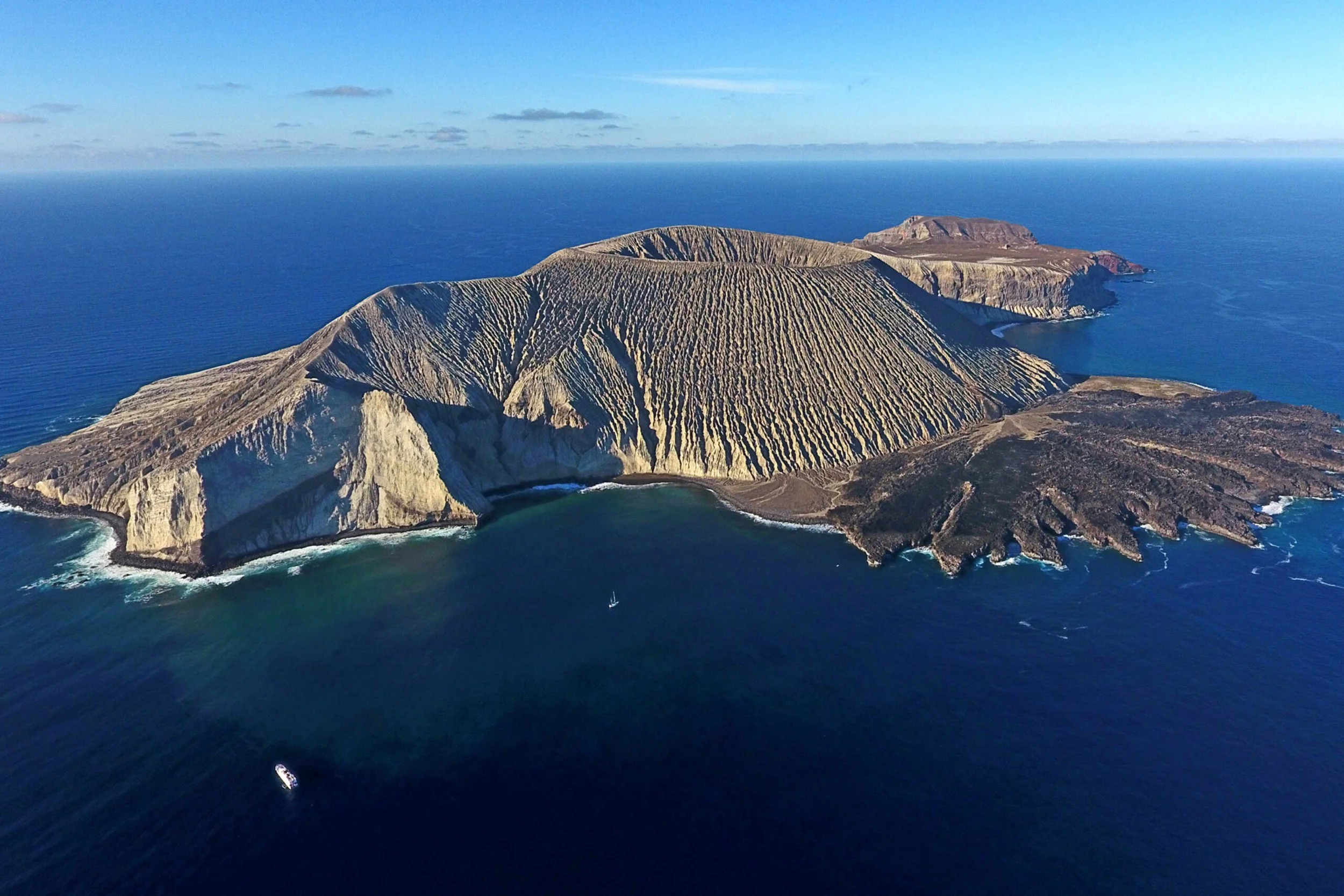
We joined marine geneticist Dr. Adrian Munguia-Vega in the Revillagigedo Archipelago to conduct a biodiversity inventory using eDNA analysis. During the expedition, we collected shallow-water samples while diving and deep-water samples (>200 m) between dives, gathering 28 samples from 14 locations at depths ranging from 25 meters to over 200 meters. Samples were processed onboard for later laboratory analysis.
The resulting data supports Mexico’s National Commission of Natural Protected Areas (CONANP) in strengthening protection of deep-sea ecosystems and vulnerable species within this remote UNESCO World Heritage Site, located 500 miles west of mainland Mexico in the Pacific Ocean and home to extraordinary biodiversity, including many endemic species found nowhere else on Earth.
In the San Benedicto crater at depths approaching 200 meters, we documented unusual ash canyons lined with brightly colored invertebrates. At Roca Partida, several silvertip sharks followed our Niskin bottle to 80m (captured on camera) where we discovered a seafloor blanketed with small red algae and dense communities of tiny clams thriving in the twilight zone.
Do Nanoplastics Disrupt Photosynthesis in Florida Keys?
Swiss researchers from the Sail & Explore Association are building the first global database of sub-300-micron microplastics—a foundational step toward understanding their impacts on ecosystem and human health.
Each year, an estimated 400 million tons of plastic waste are produced globally, much of which enters the ocean and breaks down into micro- and nanoplastics. Projections suggest that annual plastic input into aquatic ecosystems could triple by 2040, reaching 23–37 million tons per year. Yet the smallest size classes remain largely invisible to science; the UN Clean Seas Campaign (2017) estimated ~51 trillion microplastic particles in the oceans, but distributions below 0.3 mm are still poorly understood.
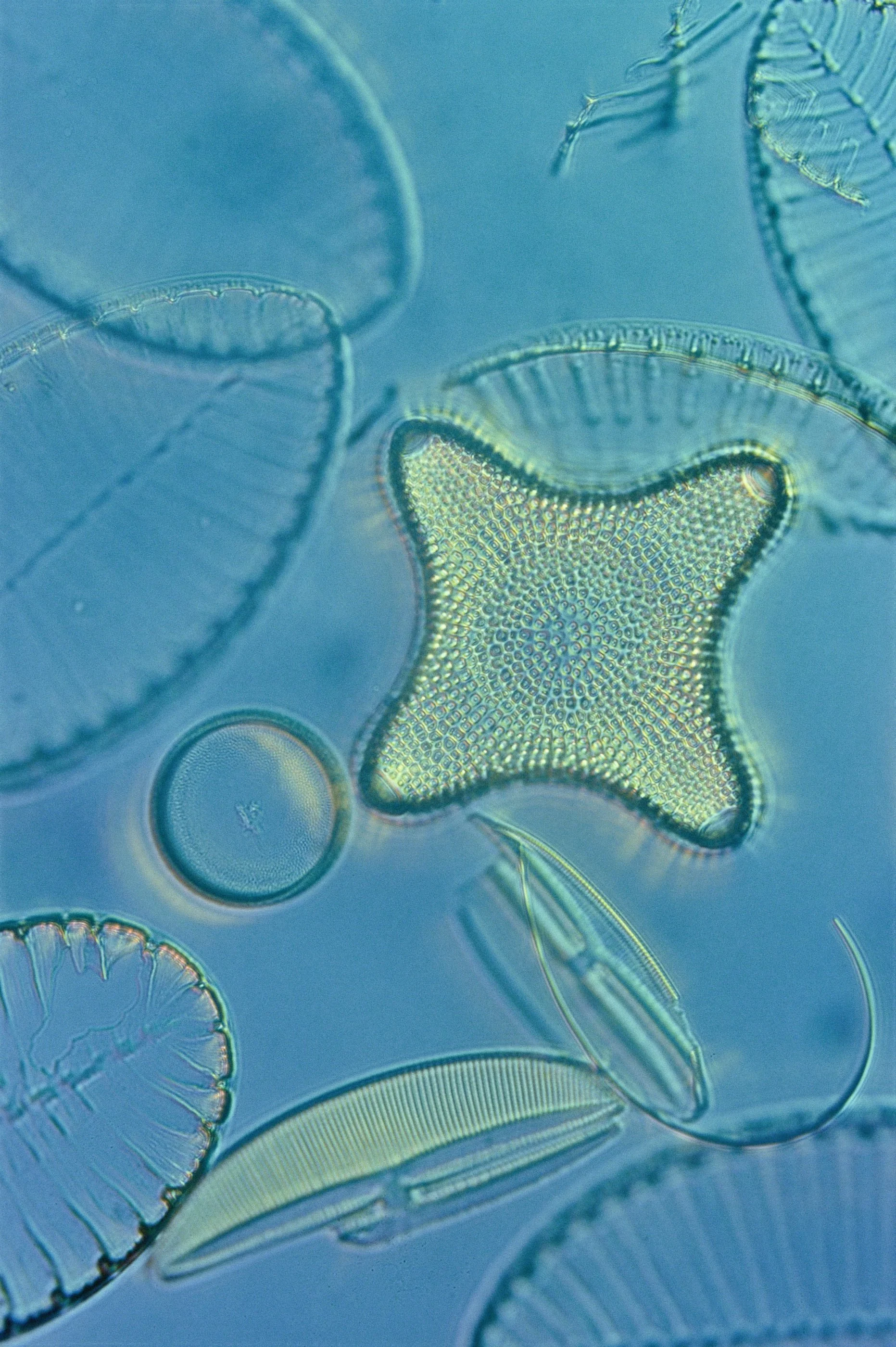
We joined Sail & Explore’s inaugural pilot study in the Florida Keys National Marine Sanctuary, a vast living laboratory where turquoise shallows meet deep ocean currents, to collect microplastics down to 50 microns (0.05 mm) and test the PlanktoScope in real-world field conditions. The goal was to better understand how micro- and nanoplastics move through the base of the marine food web. These particles can disrupt phytoplankton by impairing photosynthesis, altering growth, and triggering stress responses—effects that may scale upward into global carbon cycles as weakened phytoplankton become less efficient at drawing carbon from the atmosphere. Over time, chronic exposure may also reshape ecosystem structure, favoring resilient cyanobacteria over other key microalgae.
The PlanktoScope opens a window into this hidden world, allowing researchers and citizen scientists to capture high-resolution imagery of drifting plankton communities in situ. In doing so, it makes the invisible visible—revealing and visualizing the subtle signatures of plastic pollution within the living fabric of the marine environment.